
The New Forest is famous for its roaming ponies, ancient woodland, and wide-open heathland. But look a little closer and you’ll discover something else entirely: an abundance of wild, edible plants growing quietly beneath the trees and along the forest edges.
Foraging in the New Forest is a rewarding way to connect with nature, slow down, and discover ingredients that have been used here for centuries. This guide to foraging in the New Forest will walk you through what you can find, when to look, and how to forage safely, legally, and sustainably.
Why the New Forest Is Ideal for Foraging
The New Forest National Park is one of the most biodiverse landscapes in the UK. Its mix of ancient deciduous woodland, heathland, grassland, and coastal habitats creates ideal growing conditions for a wide variety of edible plants throughout the year.
Each season brings something different. Spring offers fresh green leaves and shoots, summer delivers flowers and berries, and autumn provides nuts and fruits. For generations, people have relied on the forest for food – and with the right knowledge, you can still enjoy that tradition now.
What Can You Forage in the New Forest?
What you’ll find depends on the season. Below is a practical overview of some commonly foraged plants. All are easily recognisable and suitable for beginners.
Spring Foraging Finds
- Wild garlic (ramsons) – Appearing from March, wild garlic carpets woodland floors and is easy to identify by its strong garlic scent. Use the leaves in pesto, soups, or pasta dishes.
- Young nettles – Pick the top few leaves (with gloves). Once cooked, the sting disappears. Nettles are rich in iron and work well in soups and teas.
- Hawthorn and beech leaves – Young leaves can be eaten raw in salads when they’re fresh and tender in early spring.
Summer Foraging Finds
- Elderflower – Found in June, elderflower can be used for cordials, champagne, or fritters. Later in the year, the berries appear. These must always be cooked before eating.
- Dandelion – Leaves, roots, and flowers are all edible. The leaves are bitter but nutritious, while the flowers are often used for wine or syrups.
Autumn Foraging Finds
- Blackberries – Abundant from late August to October. Pick above waist height and wash thoroughly before eating or preserving.
- Sweet chestnuts – Found in autumn and perfect for roasting or cooking.
- Mushrooms (with caution) – The New Forest is one of Britain’s most important fungal habitats. Mushroom foraging is discouraged. Beginners should avoid picking fungi unless accompanied by an expert.
How to Forage Safely and Responsibly
Foraging comes with responsibility. Protecting the forest is just as important as enjoying it.
Know What You’re Picking
Never eat anything unless you are 100% certain of its identification. Many edible plants have toxic lookalikes. Carry a reliable field guide and avoid guessing.
Follow the One-Third Rule
Only take what you need, and never more than a third of what’s growing in one spot. This allows plants to regenerate and ensures there’s enough left for wildlife.
Understand the Law
All wild plants are protected under the Wildlife and Countryside Act (1981).
- Foraging is permitted for personal use only
- Uprooting plants is illegal
- Some species are fully protected and must never be picked
- Commercial foraging requires permission
Always respect signage and avoid protected or sensitive areas.
Sustainable Foraging: The Golden Rules
Forage lightly. Leave no trace. When in doubt, leave it out.
- Stick to paths where possible
- Never uproot plants
- Avoid rare or unfamiliar species
- Leave plenty behind for wildlife
- Don’t forage for fungi unless you’re trained
Sustainable foraging ensures the forest remains healthy for future generations.
Should You Take a Foraging Course?
If you’re new to foraging in the New Forest, a guided course is one of the best ways to learn. For example, those offered by Wild Food UK.
Expert-led foraging walks teach:
- Safe identification techniques
- How to tell edible plants from toxic lookalikes
- Sustainable harvesting methods
- Seasonal knowledge you won’t find in books
Many courses run throughout the year and focus on education rather than collection, which is particularly important in sensitive areas like the New Forest. They’re ideal if you want to build confidence while respecting the landscape.
A Beginner’s Foraging Checklist
Bring these essentials with you:
- A basket or cloth bag (not plastic)
- Gardening gloves
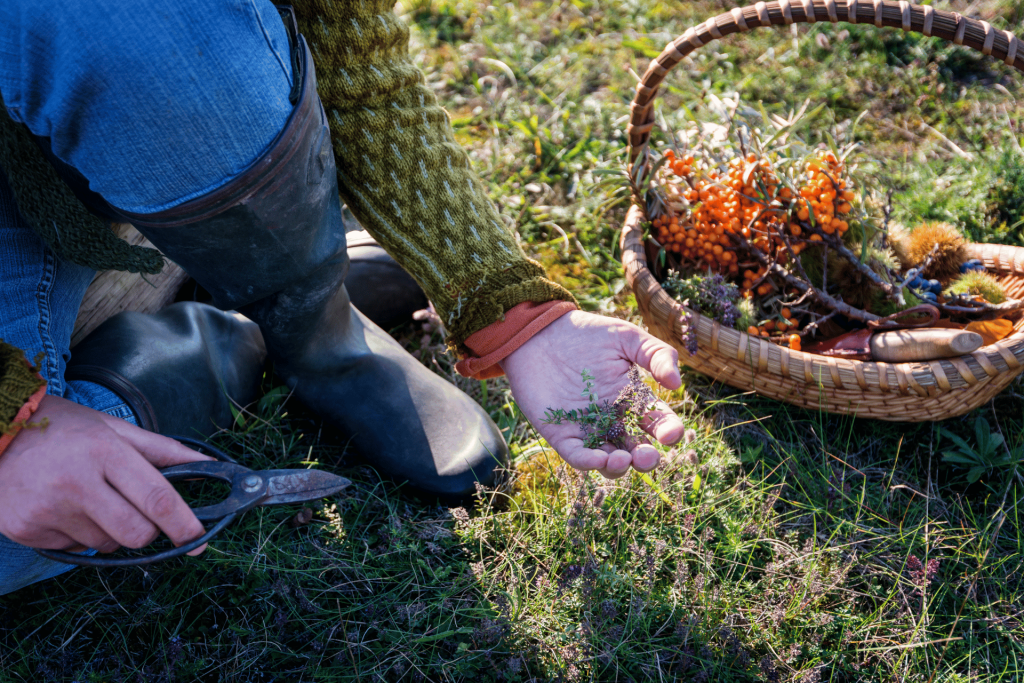
- A small knife or scissors
- A trusted identification guide
- Water and snacks
Start slowly. Learn a few plants well rather than trying to identify everything at once.
Why Foraging Is So Special
Foraging changes how you see the landscape. You notice details – leaf shapes, scents, seasonal shifts – that you’d otherwise walk straight past. It encourages mindfulness, curiosity, and respect for nature.
It’s also a brilliant activity for families. Children love the sense of discovery and are far more likely to try new foods when they’ve helped find them.
After a gentle morning foraging, there’s nothing better than returning to your New Forest holiday cottage to cook with what you’ve gathered, whether that’s wild garlic pasta in spring or blackberry crumble in autumn.
Turning Foraging into a Memorable Stay
At Short Stay Homes, we offer award-winning, dog-friendly holiday homes across the New Forest, from cosy lodges for two to large thatched cottages and country houses perfect for family gatherings. Because we own our properties directly, you’ll always get the best rates with no booking fees – plus thoughtful extras like secure gardens, hot tubs, private fishing rights, and local knowledge from a team who genuinely care about your stay.
Planning a New Forest break centred around nature, food, and fresh air? Contact us to find the perfect place to stay and start planning your getaway.

