
Winter transforms the New Forest into something quite special. The trees stand bare, the air turns sharp and clear, and suddenly you can see so much more. Frost glistens on the heathland at dawn. Mist hangs between the oaks at dusk. The forest feels quieter, certainly, but it’s far from empty.
For wildlife watchers, these colder months offer wonderful opportunities. Animals stand out against the open woodland. Birds arrive from distant shores. Even the familiar ponies seem more striking as they shelter under bare branches, their winter coats thick and shaggy.
Whether you’re planning a weekend break or a longer stay in one of our New Forest cottages, knowing where and when to look makes all the difference.
Why Is Winter a Great Time for Wildlife Watching?
Winter is a wonderful time for wildlife watching in the New Forest. With the trees stripped back, you get clear sightlines through the woodland, making it much easier to spot movement. Birds perched high in bare branches stand out, and deer crossing open heathland are often visible from a distance – moments you might miss in the fuller months.
The light adds to the experience, too. Low winter sun casts a soft glow, while frosty mornings pick out every detail underfoot. Quieter paths mean fewer disturbances, so animals are often more relaxed, giving you a better chance of those calm, memorable encounters as you explore the forest at your own pace.
The New Forest’s Iconic Animals in Winter
These are some of the residents you’re most likely to encounter during a winter walk.
Free-Roaming Ponies and Donkeys
The New Forest ponies are permanent residents, well-adapted to life on the open heathland, with thick winter coats that keep them comfortable in colder months. You’ll often see them grazing in small herds near Brockenhurst or wandering calmly through Burley village, looking especially striking against frosted grass.
Donkeys roam freely too, particularly around Beaulieu, sometimes appearing at gates or along quiet lanes. They’re naturally curious, but it’s important to admire them from a respectful distance.
Important: Never feed or touch the animals, as they’re wild and feeding disrupts their natural diet.
Deer Through the Mist
Five species of deer live in the New Forest: fallow, roe, red, sika and muntjac.
Early morning and dusk are the best times to spot them, when deer move between feeding and resting areas. Bolderwood’s deer sanctuary provides dedicated viewing platforms, but some of the most memorable sightings happen on quiet woodland paths. Fallow deer tend to travel in herds, roe deer in smaller family groups, while red deer, the largest species, create impressive silhouettes against pale winter skies.
Where Can You Spot Winter Birds?
The winter months bring a rich mix of resident and visiting birdlife to the New Forest and its coastline.
Coastal Reserves and Marshes
Keyhaven Nature Reserve is a real highlight from November onwards, when wintering birds arrive in large numbers. Noisy flocks of brent geese gather after their long journey from Arctic Russia, while waders such as redshanks, curlews, and avocets forage along the mudflats at low tide.
Binoculars are well worth bringing, as the coastal paths offer sweeping views across the marshes and out towards the Solent, where wigeons and pintails paddle in sheltered channels. On especially cold days, you might even spot a grey seal bobbing offshore!
Remember: Wrap up warmly, as coastal winds can be bracing.
Ancient Woodland Residents
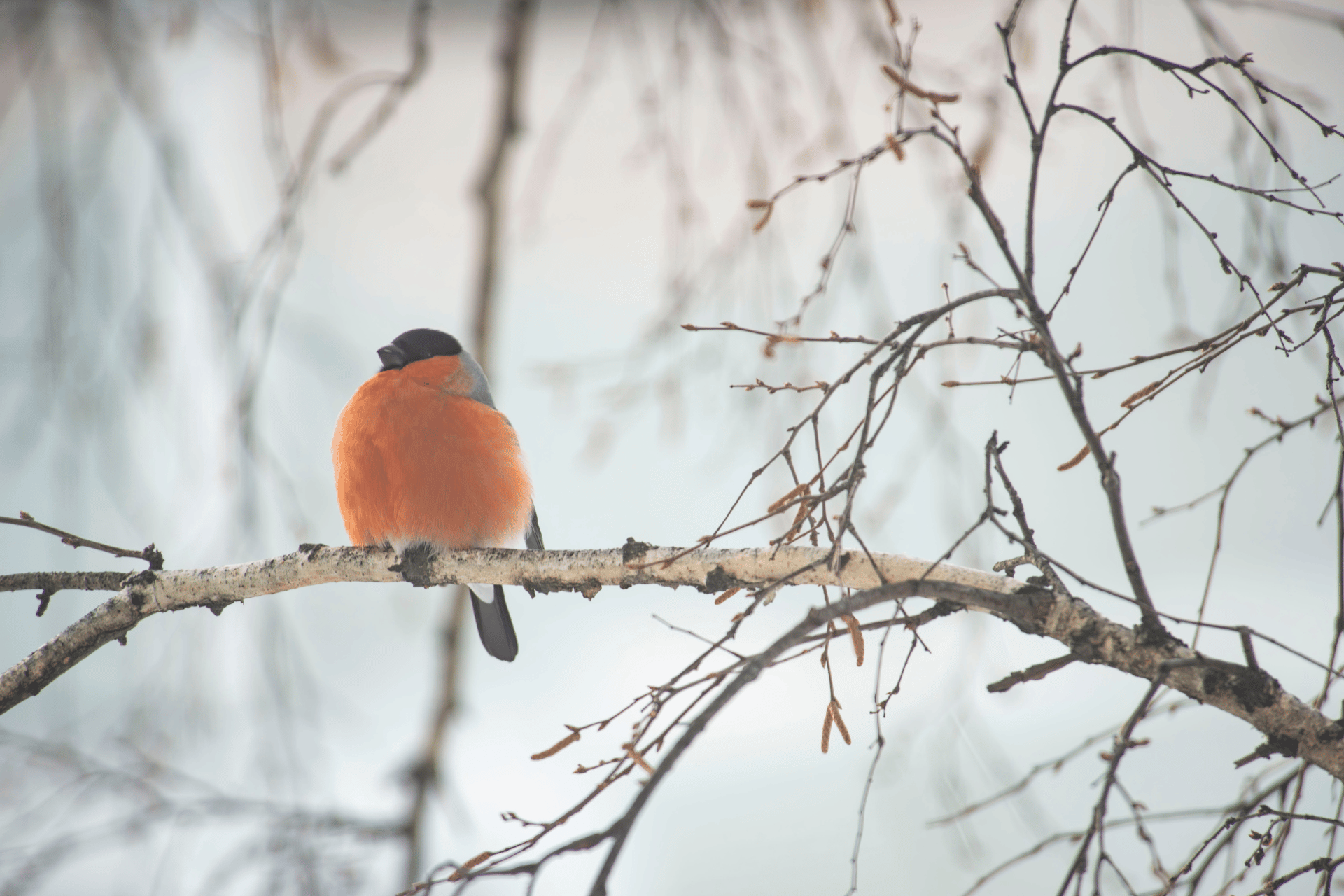
Woodland birds are often easier to spot in winter than you might expect, thanks to bare branches and quieter surroundings. Nuthatches cling confidently to tree trunks, moving headfirst as they search for food, while great spotted woodpeckers announce themselves with sharp drumming that carries through the still air. Treecreepers spiral up oak bark, their excellent camouflage broken only by movement, and with a little luck, you may hear the sharp call of a hawfinch in quieter woodland areas.
As daylight fades, barn owls glide low over heathland and farmland edges, while short-eared owls hunt by day, sweeping back and forth across rough grassland in search of prey.
Other Wildlife to Look Out For
Beyond the New Forest’s headline species, winter walks often reveal quieter moments with some of its more secretive residents.
- Foxes don’t hibernate, and early mornings are often the best time to spot them trotting along forest tracks or crossing open clearings. Their red coats stand out against frost or snow, making winter sightings especially striking.
- Badgers stay active throughout winter, although they’re far more elusive. Rather than a clear sighting, you’re more likely to notice signs of their presence like freshly dug earth near paths. A quiet late-afternoon walk may occasionally reward you with a glimpse as they emerge to forage.
- Squirrels remain busy, relying on nuts and seeds they’ve carefully cached. They often give themselves away with the sound of rustling leaf litter.
- Smaller birds such as blue tits, great tits and robins are also active year-round. They flit through woodland and along forest edges, adding life and colour to winter walks.
Making the Most of Your Winter Wildlife Walk
Pick the right time. Dawn is prime for spotting deer, foxes, and woodland birds, while dusk gives owls and other creatures their moment in the spotlight. Midday can be quieter, though waders and ducks remain visible at coastal reserves throughout the day.
Dress smart and bring essentials. Waterproof boots help on muddy paths, and layers keep you comfortable as you warm up walking and cool down while standing still. Binoculars are invaluable, turning distant specks into clearly identifiable birds.
Move quietly and be patient. Wildlife often notices you before you notice it. Pause frequently, tread softly, and try lesser-used paths. Stillness and patience are far more rewarding than covering ground quickly.
Stay Close to Nature
Our New Forest properties put you right where the wildlife is. Imagine waking up to ponies grazing outside your window, stepping straight onto forest paths from your cottage door, or spending evenings by the wood burner planning tomorrow’s wildlife walk. With award-winning, hand-picked homes – from intimate lodges to spacious family cottages – we ensure comfort, charm, and thoughtful touches throughout your stay.
Many of our cottages are pet-friendly, so there’s no need to leave your four-legged friends behind, and some even offer unique extras like glamping additions, fishing access, or equipment hire. Forest Drove Cottage and nearby properties are perfectly located: close enough to Keyhaven for morning birdwatching, with ancient woodland walks just minutes away.
Memorable Winters with Short Stay Homes
For a warm welcome, flexible stays, and personal advice from our local team, please contact us to start planning your winter wildlife getaway.

